Head-to-Head Comparisons & Performance Tests
Best French Press for Coffee: Anaerobic & Carbonic Tested
6th Jun•13 min read
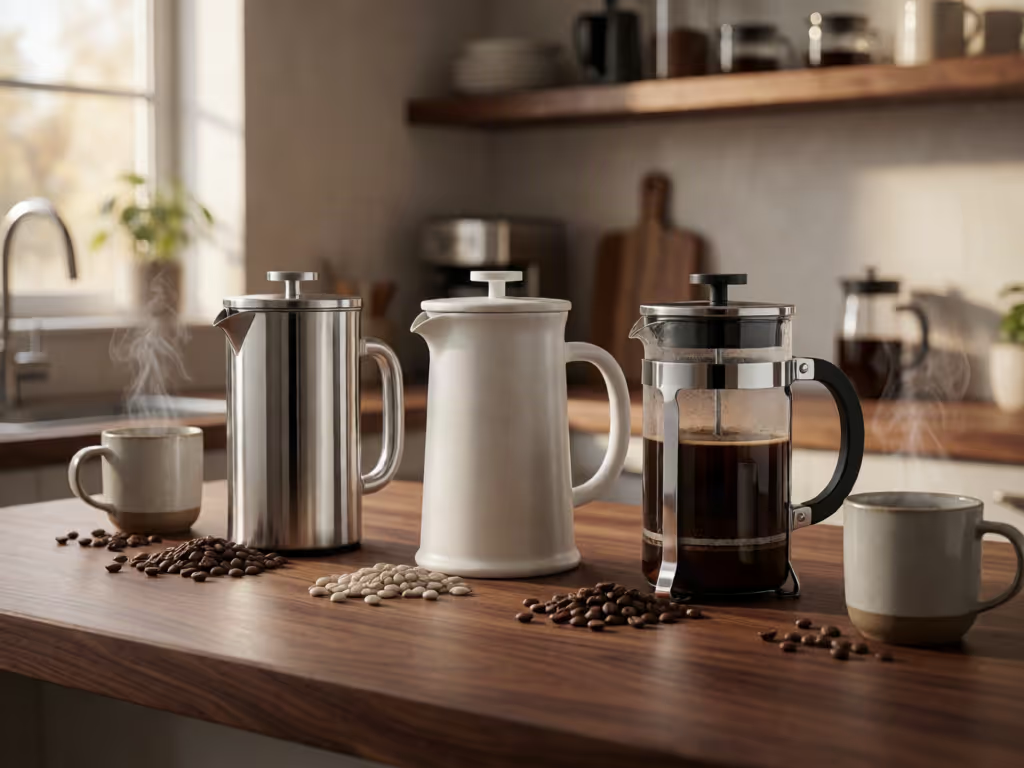
For most shoppers replacing glass, choose double-walled stainless steel: it generally offers better heat retention and shatter resistance. Choose glass for brewing visibility and classic styling, or ceramic for table presence when extra weight and chipping risk are acceptable.
Important: The ceramic listing lacks important care and construction details, while the Bodum variant includes steel and polypropylene components rather than being entirely glass.
Choosing a non glass French press is usually less about chasing a "better" material and more about removing one recurring annoyance: broken carafes, coffee that cools too fast, or a brewer that feels too precious for daily use. In the stainless steel vs glass French press decision, steel generally favors heat retention and shatter resistance; glass favors visibility and classic styling; ceramic brings a distinctive tabletop look with its own weight and chip-risk trade-off.
If you have had a glass press crack in a shared kitchen (or simply gone lukewarm halfway through a long meeting) that frustration is valid. The right material should make your routine easier, not add a new thing to worry about.
Spend where it saves. A press that fits your actual routine is usually a better value than a cheaper one you must replace or work around.
A material comparison is clearer when you begin with the failure you are trying to prevent.
Cleanup depends heavily on the filter assembly, how easily it comes apart, whether grounds get caught in the mesh, the opening of the carafe, and dishwasher compatibility. Those are design details to inspect on any modern French press, whatever the body material.
This is also why I do not treat a thick-looking body as an automatic win. Every dollar should brew better, not just buy thicker steel.
For most people specifically shopping for a non-glass press, double-walled stainless steel is the straightforward answer. Stainless steel French presses generally retain heat longer than glass, resist shattering, and tolerate the knocks of busy kitchens, desks, and outdoor packing better. The trade-offs are usually greater weight and a higher purchase price.
That cost can be sensible when it eliminates a replacement cycle. A French press that survives a crowded office counter or a camp box earns its space differently from one that must be handled like a vase.
The Frieling Double-Walled Stainless-Steel French Press is a concrete example of what to look for: the 36-ounce model uses double-wall 18/10 stainless steel inside and out, with a mirror-finish exterior and a brushed interior. It is a substantial option for several servings or a small group, and all components are listed as dishwasher safe.
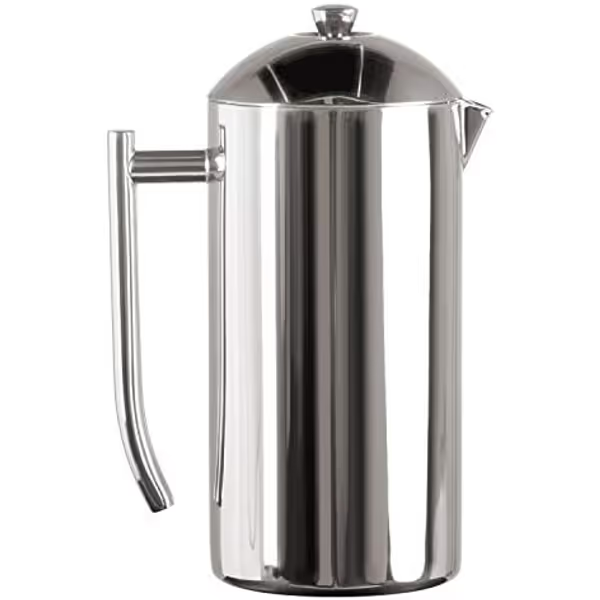
The retailer listing says it stays hot "up to four times longer than glass," but without test conditions, temperature endpoints, or a clear glass comparator. For a data-driven look at how long different presses actually stay hot, see our French press heat retention test. Treat that as a directional claim, not a precise promise for your kitchen. The broad material logic still holds: insulated stainless is the strongest fit when you routinely drink over time rather than pour and finish immediately.
Pros
Cons
For the reader who wants a durable, low-fuss brewer first and a display object second, stainless steel is the best overall material choice.
Ceramic occupies the middle ground emotionally, not structurally. It gives a French press a warmer, more integrated presence on a breakfast table or open shelf than a utilitarian steel cylinder. But it is generally heavier, and it can chip, so it is not the automatic "rugged non-glass" solution some shoppers expect.
The DHPO Ceramic French Press Coffee Maker represents this category in a 22-ounce black version. It is listed with a walnut wood lid and triple filters described as food-grade stainless steel.
What should you not assume? The available product details do not establish its glaze composition, wall construction, care instructions, dishwasher compatibility, or replacement-part availability. Those omissions matter for ownership. Before choosing ceramic, look for clear care guidance and inspect whether the filter components can be disassembled and replaced. A handsome press is not economical if one worn screen or gasket turns it into cabinet decor.
Pros
Cons
Ceramic makes the most sense for someone who serves coffee at the table and will handle the brewer deliberately. It is less compelling for a fast-moving office or a campsite.
Glass remains the reference point because it lets you see the coffee, water level, and grounds during brewing. It also delivers the familiar French-press silhouette many people enjoy. General material guidance, however, puts glass behind steel for heat retention and durability: it cools faster and is more vulnerable when knocked or dropped.
The Bodum CHAMBORD is the classic example. The 34-ounce version has a high-heat borosilicate-glass carafe, with a steel frame and lid plus a matte polypropylene handle. It is a glass press, but not an all-glass object (a useful reminder that most material labels describe the carafe more than every component).
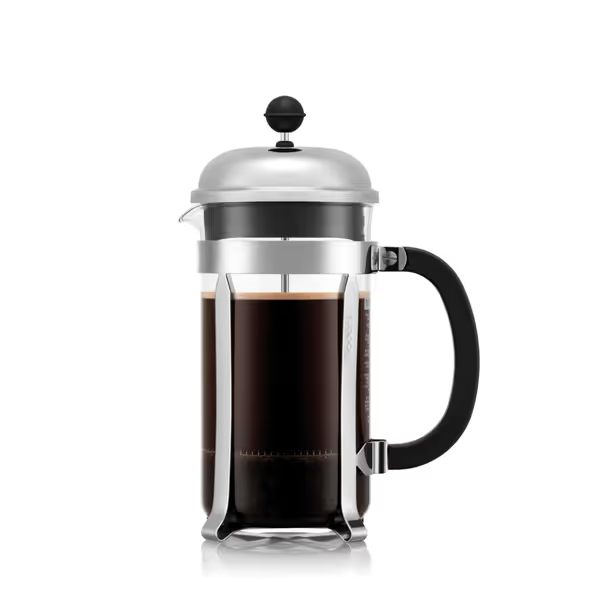
For care, this version is listed to be washed in warm, soapy water and dried thoroughly before first use; it is also listed as not for stovetop use. The product description calls the carafe easy to clean, but that is a description rather than a timed cleanup test.
Pros
Cons
Glass is not a bad choice. It is simply a poor fit if your central reason for shopping is "I am tired of replacing broken carafes." I have seen a seemingly doomed gritty, leaking press come back to life with a scrub and one inexpensive gasket; glass is worth maintaining when the rest of the brewer is sound. But when breakage is the repeating failure, changing material is often the cheaper repair.
Here is the material comparison in buying language rather than marketing language:
| If your priority is… | Best fit | Why |
|---|---|---|
| Coffee that stays warmer while you work or host | Double-walled stainless steel | Steel generally offers stronger heat retention, especially when insulated. |
| A brewer that can handle office counters or outdoor trips | Stainless steel | It is shatter-resistant and built for tougher use. |
| Seeing the brew and coffee level | Glass | A clear carafe offers the best brewing visibility. |
| A traditional French-press look | Glass | Glass is closely tied to the classic format. |
| A tableware-like look for intentional batches | Ceramic | Ceramic is known for distinctive countertop and tabletop presence. |
| Lowest tolerance for chips and drops | Stainless steel | Ceramic can chip; glass is vulnerable to breakage. |
| Dishwasher compatibility in the named examples | Frieling steel | Frieling lists all components as dishwasher safe. |
| Clear care direction in the named examples | Bodum glass | The CHAMBORD description provides warm, soapy-water care and says not to use it on a stovetop. |
A quick note on material and food contact: stainless steel, glass, and glazed ceramic are generally described as relatively inert food-contact materials compared with more chemically complex materials. If material certifications and component safety are central to your decision, consult this non-glass French press safety checklist before buying. That does not certify any individual press as "non-toxic," especially when a complete component inventory or glaze documentation is unavailable. Keep the claim narrow, and verify the particular model if that is your deciding concern.
The best coffee press is the one you can clean, store, and keep using. For detailed advice on disassembling filters, removing coffee oils, and preventing rust, use this French press cleaning guide. Before checkout, run through this list:
For offices, print these points near the brewer and make one person responsible for checking the filter assembly. For home use, the same habit keeps a press from becoming a grimy shared object. Low-fuss upkeep is not glamorous, but it is where the value lives.
For most shoppers seeking a non glass French press, choose double-walled stainless steel. It best addresses the expensive annoyances: broken carafes, heat loss, and rough daily handling. The Frieling is a relevant premium example when dishwasher-safe components and an insulated steel body suit your routine, though its exact heat-retention multiple should not be treated as independently proven.
Choose glass when you value brewing visibility and classic style enough to accept more careful handling. The 34-ounce Bodum CHAMBORD is a familiar format with a borosilicate-glass carafe and is not for stovetop use. More generally, glass presses are vulnerable to breakage if knocked or dropped.
Choose ceramic when table presence and an intentional serving format matter more than ruggedness. The 22-ounce DHPO ceramic press is worth considering on those terms, but confirm care instructions and parts support before you commit.
The best material is not the one that sounds most premium. It is the one that prevents your most common hassle, cleans without drama, and stays useful long after the novelty wears off. Spend where it saves.