Head-to-Head Comparisons & Performance Tests
Best French Press for Coffee: Anaerobic & Carbonic Tested
6th Jun•13 min read
Dark roast coffee and immersion brewing are a natural pair, yet most Monday mornings deliver muddy, bitter cups instead of the chocolate-forward, clean body that makes this method legendary. The problem isn't the roast level, it is precision abandoned in favor of habit. Here is what makes coffee using a French press with dark beans work, how to dial it in, and exactly why cleanup and consistency beat expensive gear every time.
When I first rolled out French press coffee protocols for our co-working kitchens, I watched the same script fail: someone would dump a scoop of dark roast grounds, rush the brew, and then spend five minutes scrubbing sludge from the kitchen sink before heading to a 9 a.m. meeting. The ritual collapsed under its own friction. If cleanup slows you down, follow our French press cleaning guide to stop sludge and rust. That experiment (where we switched to pre-measured jars, a laminated timing card, and a documented 90-second sink routine) taught me something that shaped everything I now teach: the equipment matters far less than the system around it.
Dark roast beans have completed an extended roast cycle, meaning their structure has softened and their oils have migrated to the surface. When you steep them in the immersion environment of a best French press coffee maker, that extended contact time (typically 4 to 5 minutes) extracts those rich oils without over-pulling harsh tannins the way darker roasts can behave in paper-filtered drip setups.
Here is the data: dark roasts dissolve quickly and often become bitter if you treat them like lighter beans. The solution is inverse: more water, shorter time, coarser grind. A light or medium roast might live at a 1:15 ratio (one part coffee to 15 parts water) for 4:30 minutes. A dark roast thrives at 1:17 or 1:18 with a 3:45 to 4:15 minute window. That is not casual, it is the difference between a smooth, chocolate-forward cup and a hollow, scorched one.
The immersion method also preserves aromatic compounds dark roasts are bred to showcase. You get body, not bitterness, and a mouthfeel that espresso machine enthusiasts often chase but rarely achieve without the plumbing. If you're selecting a press tailored to your beans, see our best French press for your roast profile for model-specific picks.
Before you brew, measure by weight, not scoops. A scoop varies wildly depending on how you fill it, but 1 gram of coffee to 17 grams of water is repeatable. For more ratio options and troubleshooting, use our French press coffee ratio guide for precise dark-roast dialing. Here is your French press baseline:
For a standard 34-ounce (1 L) press with dark roast:
If you're scaling down (e.g., 17-ounce press):
Why 1:17? Dark roast density and roast development mean the beans release flavor faster. A higher water ratio compensates and prevents over-extraction without weakening the cup. This ratio is tested across office environments, remote kitchens, and weekday morning rushes, and it survives the Monday chaos.
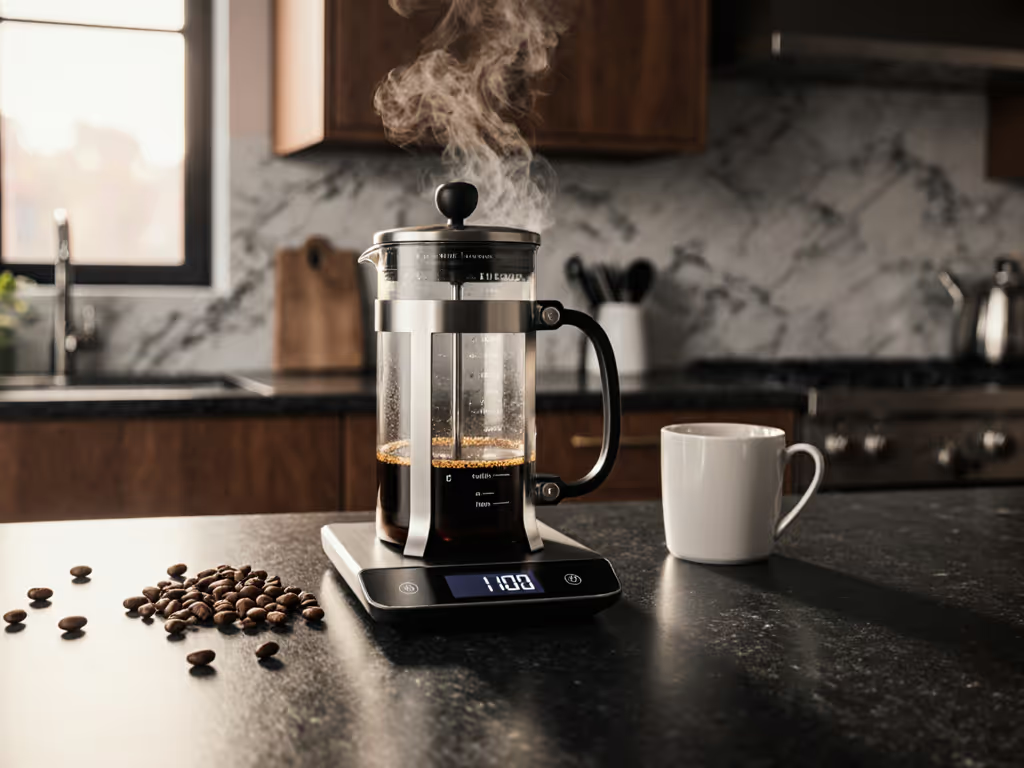
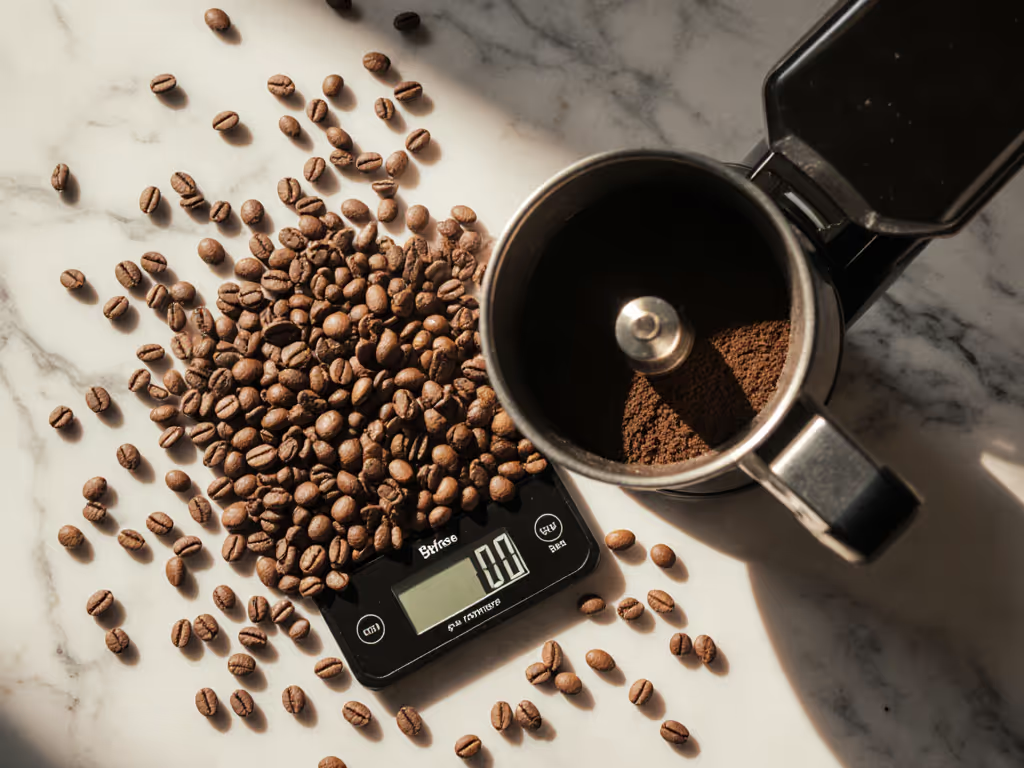
Pull your dark roast beans from an opaque container. Use a digital scale, not eyeballing. Measure 59 grams (or scale proportionally for your press size). If you don't have a grinder on hand, buy whole beans and grind just before brewing. Pre-ground coffee oxidizes within days and loses the oils that dark roast relies on for its signature profile.
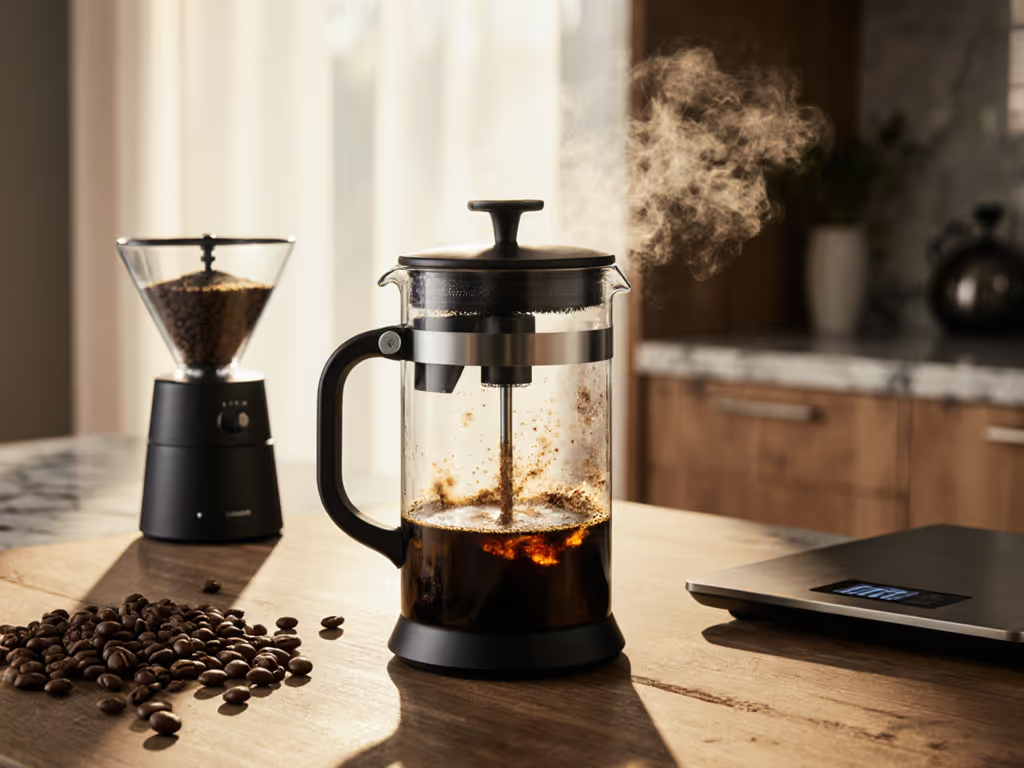
Place the beans in a burr grinder (conical or flat both work, consistency matters more than type). Grind to a coarse setting, think breadcrumb or wet sand texture. For grind consistency tips and grinder picks, see our French press grind guide to eliminate muddy cups. Too fine, and you'll over-extract and taste harsh bitterness. Too coarse, and your cup becomes thin and weak. When in doubt, grind slightly coarser; you can adjust down by +/- 5 seconds on the next brew.
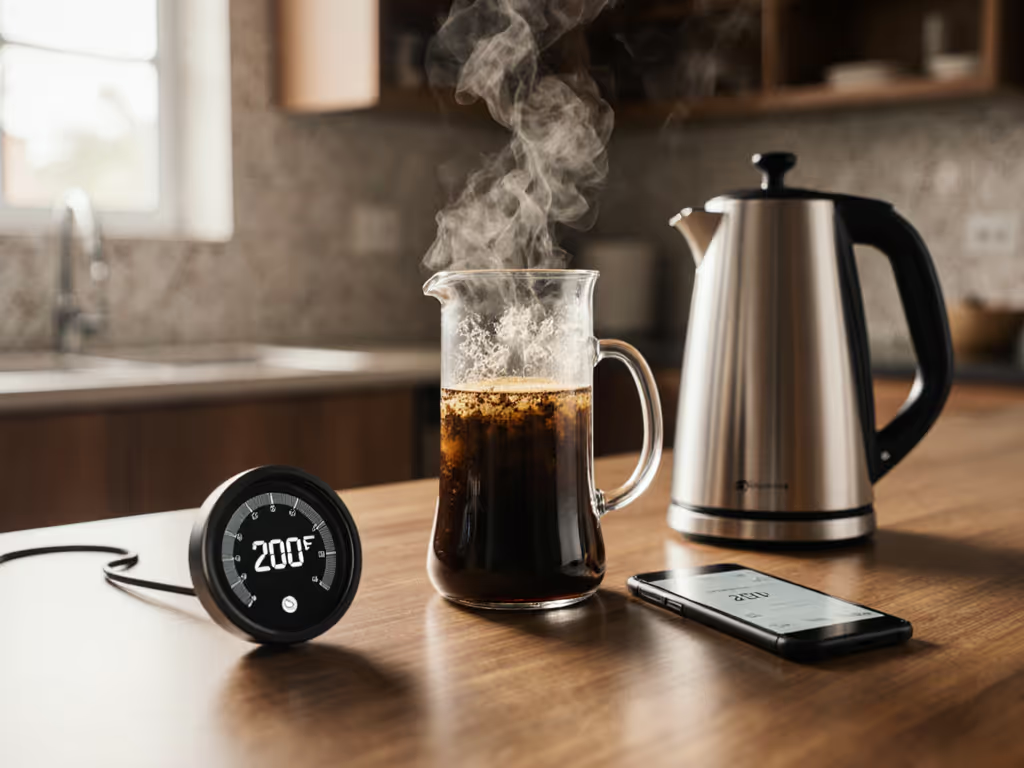
Fill a kettle with filtered water (if your tap water is hard, filtration reduces mineral buildup that clouds flavor and clogs the press seal). Heat to 92 to 96°C (198 to 205°F). If you don't have a thermometer, wait 30 seconds after the kettle clicks off for boil; that usually lands in the right zone.
Why this temperature? Hotter water (a full boil) pulls too aggressively from dark roast and sharpens bitterness. Cooler water under-extracts and tastes sour. The narrow window is deliberate.
Place your dark roast grounds in the empty French press and pour just enough hot water to saturate them (roughly twice the weight of the coffee, so about 120 grams of water for 59 grams of coffee). Stir gently and let sit for 30 seconds. This releases trapped gas and primes extraction. To master this step, follow our French press bloom phase guide for cleaner, more consistent extraction.