French Press Cold Infusions: Extract Perfect Flavor
By Priya Deshmukh • 27th Mar
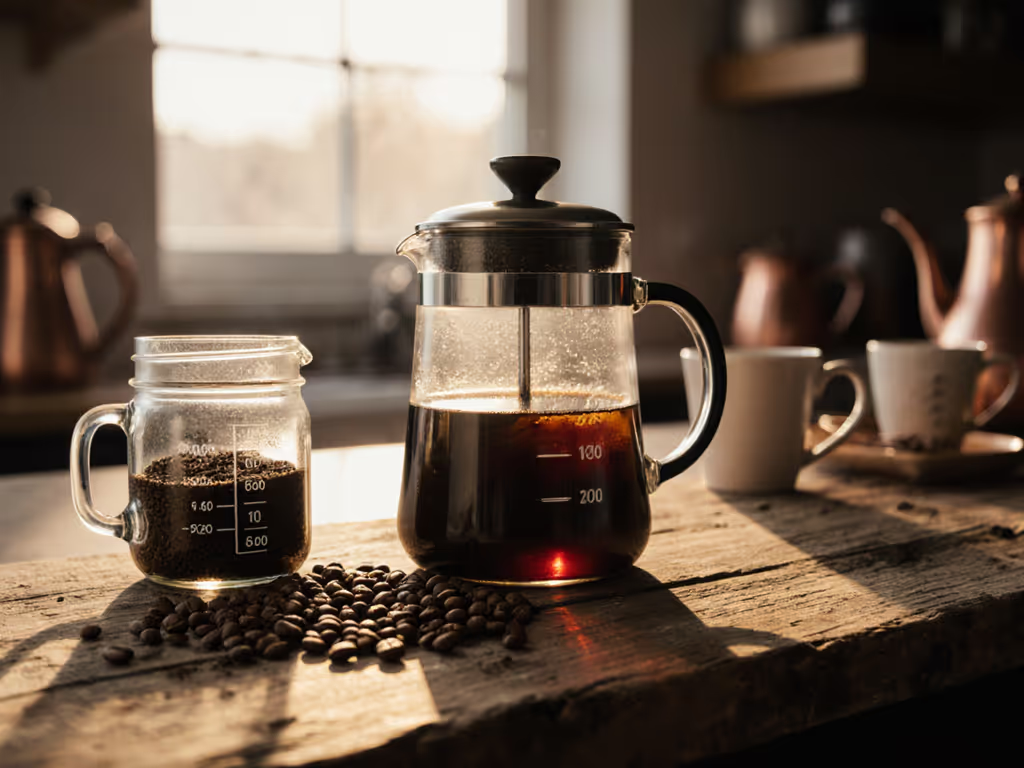
Making cold brew in a French press combines the simplicity of immersion brewing with extended extraction time to create a smoother, less bitter concentrate. It's a method that rewards precision over complexity - and honest tasting notes over guesswork.
I've watched countless people chase the "perfect" cold brew by tweaking water minerals, grind size, and ratios all at once, then blame their French press coffee setup when the result shifts from cup to cup. The truth is simpler: baseline first, then adjust one variable. That's how you dial in a flavor profile that repeats reliably, whether you're brewing for yourself on a Tuesday or for guests on Sunday.
Let's walk through the questions that matter most.
What Grind Size Should I Use for Cold Brew in a French Press?
Coarse grounds are the guardrail here. Think sea salt, not fine sand. Cold water extracts slowly, so coarse particles give you a 12-24 hour window before over-extraction turns your cup muddy or astringent.
Why it matters: fine grounds pull flavors too fast in cold water and often slip past the mesh filter, leaving silt at the bottom. If sludge is a recurring issue, our single vs double filter test shows which designs keep silt out. Coarse grounds stay suspended longer, giving you clean clarity and the body you expect from immersion.
Texture check: Run your thumb over the grounds. You want grit that stays visible when wet, not powder that clumps.
How Much Coffee-to-Water Ratio Should I Use?
Here's where the guardrails matter. Cold brew is typically made as a concentrate, not ready-to-drink. If you're short on time, see our French press coffee concentrate comparison for faster results.
Three proven starting ratios:
- 1:5 concentrate (70g coffee to 350g water, brewed 12 hours): Bold, viscous, drinks well cut 1:1 with water or milk.
- 1:8 concentrate (12.5g coffee per 100ml water, brewed 16-20 hours): The middle path. Strong enough to stand up to ice, flexible enough to stretch into 8-16 cups depending on your dilution mood.
- 1:12 ready-to-serve (8.4g coffee per 100ml water, brewed 16-20 hours): Skips the dilution step; you can sip it straight over ice.
Baseline before tweaks: I recommend starting with the 1:8 ratio. It's forgiving, scales to any press size, and lets you dial in your water mineral profile without adding complexity.
To scale it:
- For a single 12 oz mug: 20g coffee + 160g water.
- For a team carafe (1L): 125g coffee + 1000g water.
Should I Brew on the Countertop or in the Fridge?
Both work. Temperature changes extraction speed.
Countertop (12-24 hours): Faster, warmer water speeds the process. Useful if you're in a hurry or brewing thin-bodied, high-altitude beans that need help opening up.
Refrigerator (18-36 hours): Slower, cooler. Cold water extracts more gradually, and you avoid the faint bitterness that can sneak in when ambient warmth quickens the pull. Many find the flavor slightly brighter, less muddied - a sensory win if you've struggled with harsh notes before.
My baseline: Start in the fridge overnight (18 hours). You set it before bed, wake up to concentrate, and the cold slows any extraction creep. Once you taste the result, you'll know if your beans need the faster countertop method next time.
How Do I Actually Make It? (Step-by-Step)
What you need:
- French press (any size)
- Coarsely ground coffee
- Filtered water (or tap water if your local mineral content sits in the 80-130 mg/L range; higher mineral water can add unwanted bitterness to cold brew)
- A scale (crucial for repeatability)
- A quiet few minutes to pay attention
The method:
- Weigh and add grounds. Measure your dry coffee by weight, pour it into the bottom of the French press. No guessing.
- Wet halfway, stir. Fill the press about halfway with cool water and stir gently. This hydrates the grounds evenly and keeps them from crawling over the filter rim when you seal the lid.
- Fill the rest of the way. Top up with the remaining cool water, leaving enough headroom for the plunger assembly to sit comfortably without overflow.
- Place the plunger assembly on top, but don't press yet. Let the filter mesh rest gently on the grounds, just touching the surface. This keeps oxygen out and grounds settled.
- Set it and forget it. Countertop (12-24 hours) or fridge (18-36 hours) - your choice. We tested which presses excel for cold brew; see our sludge-free cold brew French press results to pick the right model.
- Press slowly and deliberately. When your time window is done, depress the plunger with a steady hand over 30-60 seconds. Don't rush; speed forces fine particles through the mesh.
- Decant into a clean container. Pour the concentrate into a jar or bottle. Refrigerate; it stays fresh 7-10 days.
- Dilute and taste. Start 1:1 concentrate to hot water (or milk, or ice water), then adjust. This is where your palate comes in - no tablet of rules needed.
What If My Cold Brew Tastes Muddy or Bitter?
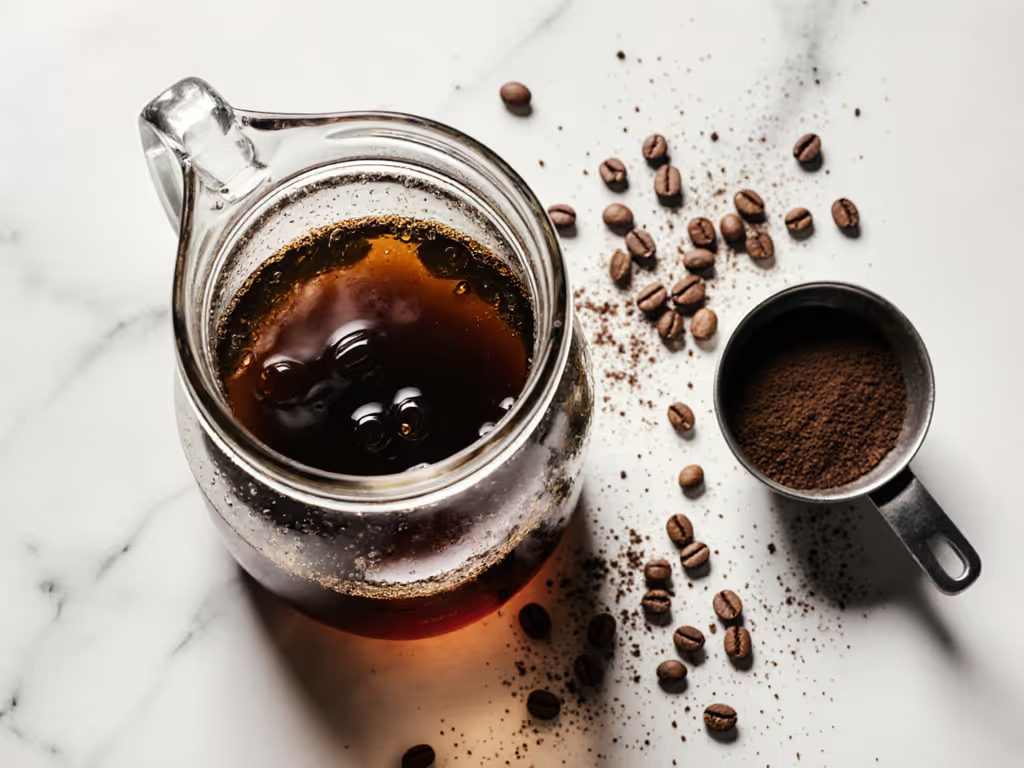
Walking through one variable at a time is your best friend here. I once watched someone change their grind size, water source, and brew ratio in the same attempt, then declare their French press inconsistent. We reset: same beans, same grind, same water, same ratio. Two brews later, the culprit was clear - their tap water's mineral hardness (around 220 mg/L) was pulling too much astringency from a darker roast. For deeper fixes, use our water mineral balance guide to tune calcium, magnesium, and alkalinity for smoother cups.
Start with one knob, turn it slowly, taste on purpose.
- Muddy/silty cup? Coarsen your grounds or shorten brew time by 2 hours. Take a sensory note: does the flavor open up or flatten?
- Bitter, harsh edge? Check your water. If you're on hard tap (160+ mg/L minerals), switch to filtered. If filtering doesn't help, try countertop brewing instead of fridge - sometimes the cold + high minerals = over-extraction from a different angle.
- Thin, sour, sharp? Your ratio is too dilute or brew time too short. Increase coffee weight by 10% or add 4-6 hours to the steep.
Honest tasting note: Write down what you taste - chocolate, hazelnut, citrus, grass - before and after each change. It's the fastest way to spot whether you're moving toward or away from your goal.
Can I Use the Same French Press I Use for Hot Coffee?
Yes. Clean it thoroughly between brews; oils and fine grounds left behind will muddy your cold concentrate.
Rinse with hot water, run your finger inside the mesh, and let it air-dry. If you're brewing daily (hot one morning, cold overnight, hot again), you might keep two presses - eliminates the crossover confusion and keeps your baseline clean.
How Long Does Cold Brew Concentrate Keep?
Refrigerated in an airtight jar or bottle: 7-10 days. After that, oxidation and microbial creep shift the flavor noticeably. Plan your brewing cadence accordingly - a 1L concentrate will feed a household of 2-3 through most of a week if you're disciplined about dilution ratios.
What's the Fastest Way to Dial In My Setup?
One variable per brew cycle. Pick your press, choose your baseline ratio (1:8, 16-20 hours, fridge), and lock those in. Then:
- Brew 1: Coarse grind, tap water, your chosen ratio. Taste. Note sensory details.
- Brew 2: Same grind, filtered water (if tap seemed harsh), same ratio. Compare.
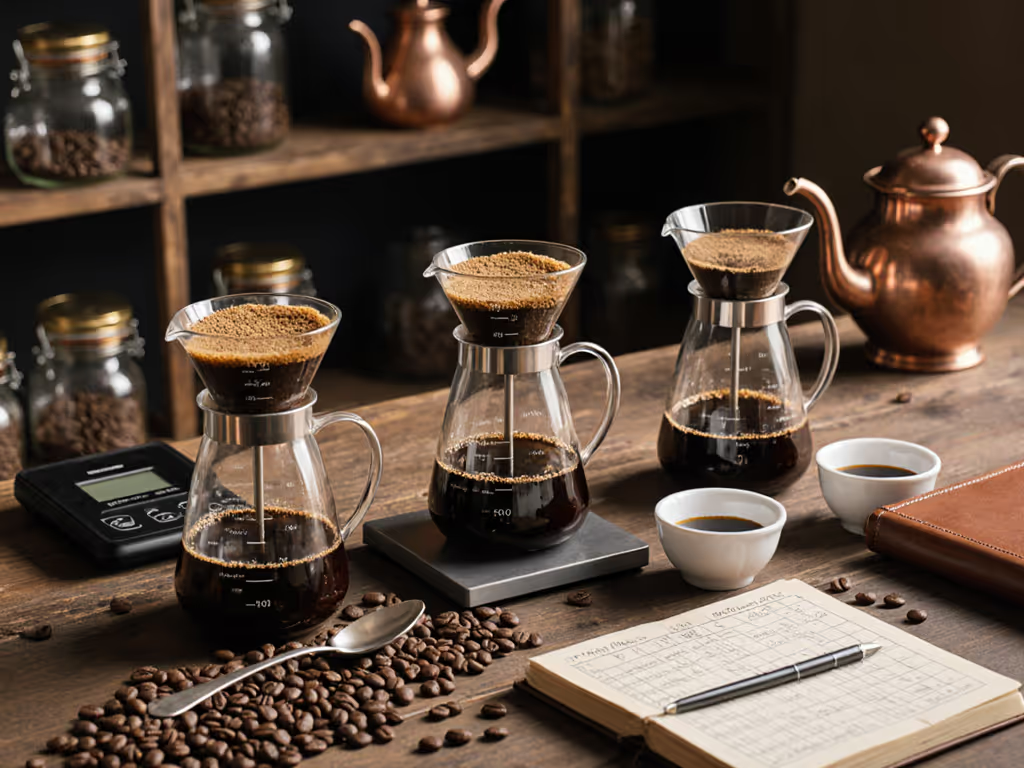
- Brew 3: Same water, same ratio, adjust grind by one burr setting coarser or finer. Listen to what shifts.
Within three cycles, you'll have a baseline that works for your beans, your water, and your palate. From there, tweaks are deliberate, not desperate.
Why Choose French Press Cold Brew Over Other Methods?
Simplicity. You own the vessel already, need no special filters or gear, and the immersion method produces a full-bodied cup without the silty finish of pour-over or the equipment fuss of AeroPress. Cleanup is under 60 seconds: rinse the mesh, dump the grounds, done. For weekday efficiency and weekend indulgence alike, it scales and repeats.
Next Steps: Taste with Intention
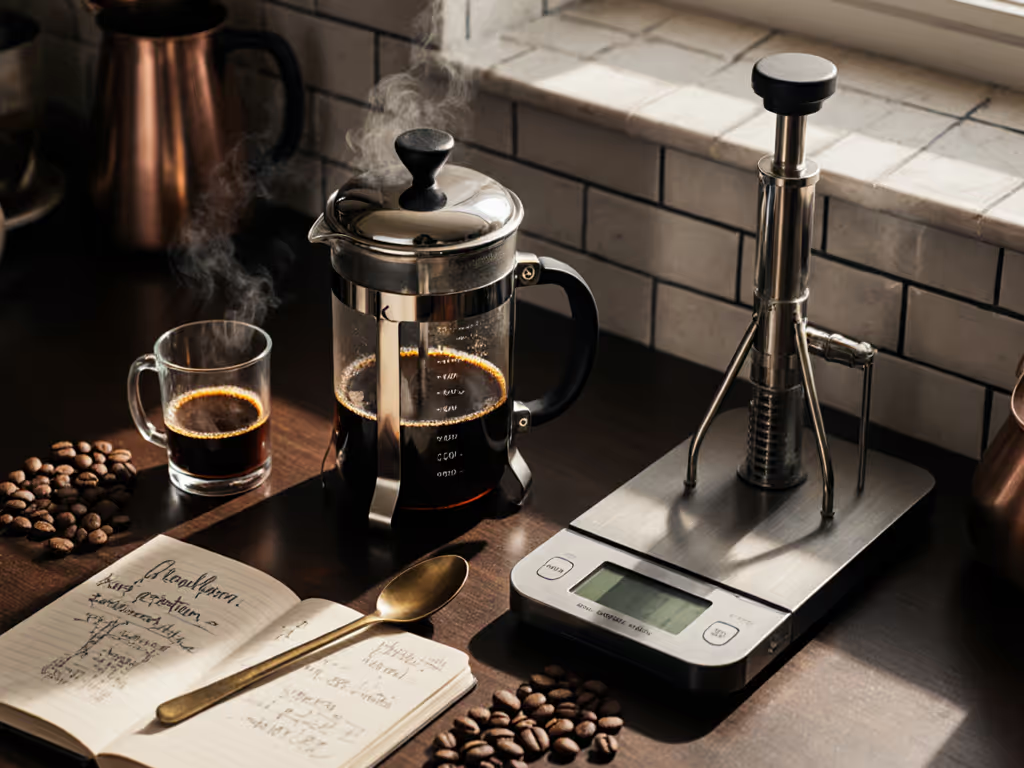
Cold brew in a coffee maker cold brew-style setup (your French press, your baseline ratio, your fridge overnight) is only as good as the attention you bring to it. Buy a cheap notebook and log three brews: grind, water source, brew time, dilution ratio, and three sensory notes per cup. You'll spot patterns faster than any blog advice can predict.
Start with one knob, turn it slowly, taste on purpose. Your dial-in blueprint will emerge - reliably, repeatably, without the mystique.
Related Articles
Brewing Guides & Techniques
French Press Sensory Evaluation: Home Cupping Protocol
11th Feb•5 min read