
Best Coffee for French Press: Roast Guide
By Priya Deshmukh • 18th Oct
Finding the best coffee for French press starts with understanding how roast levels interact with this immersion brewing method. Like many coffee lovers, I once watched a friend chase perfection by changing three variables at once (grind, dose, and water), then declare their French press "inconsistent." We reset: one ratio, one grinder click, thoughtful tasting notes. Two brews later, their sweet spot emerged. That moment solidified my approach: fewer variables, clearer wins, happier mornings. Let's explore how to match French press roast guide principles to your taste preferences without overwhelming complexity.
One knob, one note.
Why Roast Level Matters for French Press
French press is unique among brewing methods because it directly immerses grounds in hot water, extracting oils and compounds that paper filters would typically trap. This interaction means roast level dramatically impacts your cup's body, acidity, and balance.
How does French press brewing affect coffee flavor compared to other methods?
Unlike pour-over or drip methods that filter out fines and oils, French press preserves coffee's natural body and mouthfeel. If you're deciding between immersion and filtration methods, compare flavor, convenience, and cost in our French press vs pour-over guide. The extended contact time (typically 4 minutes) means darker roasts develop deeper chocolate and caramel notes, while lighter roasts can highlight nuanced fruit and floral characteristics (if handled correctly).
I recommend starting with a medium roast as your baseline. These offer balanced acidity and body that work well across most palates. For your first experiment, try a medium-roast Brazilian bean with nutty, chocolate undertones, perfect for weekday mornings when you need reliability without fuss.
What roast level produces the cleanest cup in a French press?
Contrary to popular belief, lighter roasts aren't inherently "cleaner" in French press. Medium to medium-dark roasts often yield the cleanest cup because they balance extraction without amplifying the sludge some associate with this method. The key is matching grind size to roast level: darker roasts need slightly coarser grinds than lighter ones to prevent over-extraction.
When dialing in your coffee with French press, remember that darker roasts expand more when ground, requiring coarser settings. Try this French press coffee ratio: for an 18oz mug (like what the ESPRO P7 holds), start with 32g coffee to 500g water at 200°F, using a medium-coarse grind. Taste, then adjust just one variable.
Selecting Beans for Your French Press Flavor Profiles
Which coffee bean origins work best for French press?
Single-origin beans reveal terroir beautifully in French press, but blends often provide more consistent French press flavor profiles for daily use. Here's my week-to-week approach:
- Weekdays: Colombian or Brazilian medium roasts (balanced, forgiving, great with milk)
- Weekends: Ethiopian Yirgacheffe light-medium roasts (floral, tea-like, best black)
- Special occasions: Guatemalan Antigua medium-dark (cocoa, spice, full body)
Single-origin beans from renowned coffee-growing regions create exceptional French press coffee. When you're starting out, I suggest sticking with COE (Cup of Excellence) certified beans that trace back to specific farms (this transparency helps you understand what variables actually affect your cup).
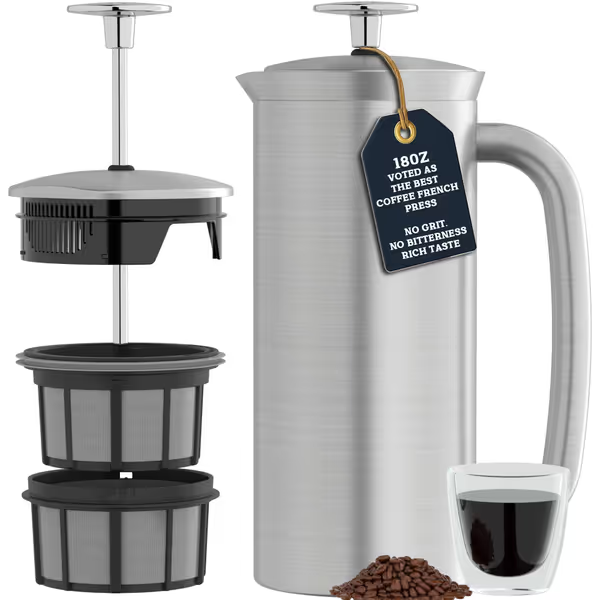
ESPRO P7 French Press
Smoother, grit-free coffee that stays hot longer.
$115
Capacity18 oz brewed coffee (27 oz water)
Capacity18 oz brewed coffee (27 oz water)
Pros
Double micro-mesh filter eliminates sludge and grit.
Double-walled stainless steel keeps coffee hot.
Cons
Some find it expensive for a French press.
Filter effectiveness on grounds debated by users.
Customers find this French press coffee maker makes excellent coffee with a rich taste, and appreciate its double-walled stainless steel insulation that keeps the brew warm for a long time. The filter system effectively strains grounds, and customers find it simple to clean. While some customers consider it well worth the money, others feel it's not worth the price tag. Customers disagree on how well the grounds are kept out of the coffee.
Customers find this French press coffee maker makes excellent coffee with a rich taste, and appreciate its double-walled stainless steel insulation that keeps the brew warm for a long time. The filter system effectively strains grounds, and customers find it simple to clean. While some customers consider it well worth the money, others feel it's not worth the price tag. Customers disagree on how well the grounds are kept out of the coffee.
Should I use Arabica or Robusta beans for French press?
Arabica is the standard choice for specialty French press coffee, offering complex acidity and nuanced French press flavor profiles. However, a small Robusta percentage (15-20%) in a blend can add crema-like texture and caffeine punch without overwhelming bitterness, ideal for those "need coffee NOW" mornings.
For beginners, 100% Arabica specialty-grade beans are your safest bet. Look for beans roasted within the past two weeks (check roast dates, not "best by" dates) and grind them fresh to coarse texture (like sea salt) just before brewing.
Water Minerals & French Press Synergy
How do water minerals affect my French press coffee?
Water with 150mg/L total dissolved solids (TDS) optimizes extraction for most coffee from French press. Too soft (<75mg/L), and your coffee tastes hollow; too hard (>300mg/L), and it becomes chalky. I keep a simple mineral mix on my counter: 1g magnesium chloride + 1.5g calcium chloride per liter of filtered water.
This precise approach transformed my friend's "inconsistent" French press, it wasn't the beans or technique, but their softened tap water stripping away flavor. For ideal calcium, magnesium, and alkalinity targets, use our water mineral balance guide for French press. Start with one knob, turn it slowly, taste on purpose.
What's the ideal water temperature for different roast levels?
- Light roasts: 205°F (helps extract delicate acids and sugars)
- Medium roasts: 200°F (balanced extraction)
- Dark roasts: 195°F (prevents bitter over-extraction)
These small temperature adjustments make more difference than people realize. For weeknights when time's tight, I preset my kettle to 200°F, it's my "set it and forget it" baseline for most beans.
Product Comparison: Finding Your French Press Match
After testing dozens of presses over the years, I've narrowed my recommendations to two models that solve the most common pain points while respecting different budgets and needs.
ESPRO P7 Double-Walled French Press
Best for: Heat retention seekers, clean-cup enthusiasts, and those with small kitchens
This 18oz stainless steel press solves the "lukewarm coffee halfway through" problem with double-wall insulation that keeps coffee hot for 90+ minutes. The real game-changer is the dual micro-filters that eliminate the sludge some associate with French press without sacrificing body. See our in-depth ESPRO P7 review for filtration performance and heat retention data.
Why I recommend it:
- Double filtration gives cleaner cups without paper filters
- Stainless steel construction withstands thermal shock (no more cracked glass!)
- Fits perfectly under most kitchen cabinets at just 9.5" tall
- Works equally well for single serves (16oz) or sharing (18oz)
My baseline recipe for the ESPRO P7:
- 28g medium-coarse ground coffee
- 450g water at 200°F
- 4:00 minute steep time
- Gentle plunge (5 seconds)
Customers consistently report being able to make stronger coffee without bitterness, exactly what we're after in the best coffee for French press. While it's an investment, the durability (I've had mine for 3 years with daily use) and consistent results make it worthwhile for serious home brewers.
Bodum Chambord 34oz French Press
Best for: Traditionalists, gift buyers, and weekend indulgers
The classic glass Chambord remains popular for good reason: it's beautifully crafted, affordable, and delivers authentic French press character. The 34oz size accommodates 2-3 standard mugs, making it perfect for weekend mornings with houseguests.
Why I recommend it:
- Timeless design with borosilicate glass that resists thermal shock
- Simple three-part assembly for quick cleaning
- Lower price point for trying French press without commitment
- Excellent for batch brewing medium-dark roasts
My baseline recipe for the Bodum Chambord:
- 50g medium-coarse ground coffee
- 800g water at 200°F
- 4:30 minute steep time (slightly longer for larger batch)
- Firm but controlled plunge
While some worry about glass durability, I've found that proper preheating (rinse with hot water first) prevents most cracking issues. The Chambord's charm lies in watching the bloom and steep, therapeutic for weekend mornings when you have time to savor the ritual.
Practical Brewing Tips for Consistent Results
How do I avoid muddy coffee in my French press?
The dreaded sludge comes from two sources: too fine a grind or rushing the plunge. Here's my foolproof method:
- Use coarse grind (consistency of sea salt)
- After 4 minutes, gently break the crust with a spoon
- Wait 1 minute for grounds to settle
- Plunge slowly over 10 to 15 seconds
This technique works whether you're using the ESPRO P7's double filters or the Bodum Chambord's single mesh. For measured sediment differences between filter types, see our single vs double filter test. For the cleanest coffee with French press, stop pouring when you reach the filter (leaving the last 1/4 inch in the carafe prevents disturbing settled fines).
How long should I steep coffee in a French press?
Start with 4:00 for medium roasts, then adjust based on taste:
- Sour/bright? → +30 seconds steep time
- Bitter/harsh? → -30 seconds steep time
- Flat/weak? → +2g coffee dose
Remember: only change one variable at a time. Write down your adjustments in a dedicated notebook (your future self will thank you when dialing in new beans).
Finding Your Personal Sweet Spot
Your ideal French press roast guide depends on three factors: your water, your grinder, and your taste preferences. Don't waste time chasing someone else's perfect cup. I've seen too many people abandon French press because they tried a trendy light roast with a blade grinder and tap water high in calcium.
Start simple: choose one medium roast bean, one consistent water source, and one grinder setting. Brew the same recipe three mornings in a row, noting subtle differences. On the fourth day, change just one thing (maybe grinding 2 clicks finer or using filtered water). Taste deliberately. This is how mastery happens.
Your Actionable Next Step
This week, pick one variable to explore with your coffee from a French press. If you're new to French press, start with roast level:
- Purchase a medium roast (Colombian or Brazilian) and medium-dark roast (Sumatran or Guatemalan)
- Use the same grind size, water, and ratio for both
- Brew side-by-side using a 4-minute steep
- Take tasting notes using these descriptors: body (light/medium/full), sweetness (none/mild/present), aftertaste (clean/lingering/bitter)
For those with more experience, try adjusting water minerals. Add a pinch of magnesium sulfate to your filtered water and note how it enhances chocolate notes in darker roasts.
Remember: the journey to great French press coffee isn't about expensive gear or complex rituals. It's about understanding how small, deliberate choices compound into consistently delicious cups. Whether you're using the robust ESPRO P7 or the classic Bodum Chambord, your perfect cup is waiting, one knob, one note at a time.
Related Articles
Buyer's Guides by Use Case & Audience
Tactile French Press: Blind-Friendly Coffee Maker Reviews
21st Jan•9 min read
Buyer's Guides by Use Case & Audience
Best French Press for Your Roast Profile: Zero Sludge Brews
11th Jan•8 min read
Buyer's Guides by Use Case & Audience
Modern French Press: Cafe-Grade Durability Tested
2nd Jan•7 min read
Buyer's Guides by Use Case & Audience
French Press Coffee: Chef-Tested Recipes & Techniques
10th Dec•7 min read