
High-Altitude French Press: Science-Backed Brewing Adjustments
By Linh Nguyen • 21st Oct

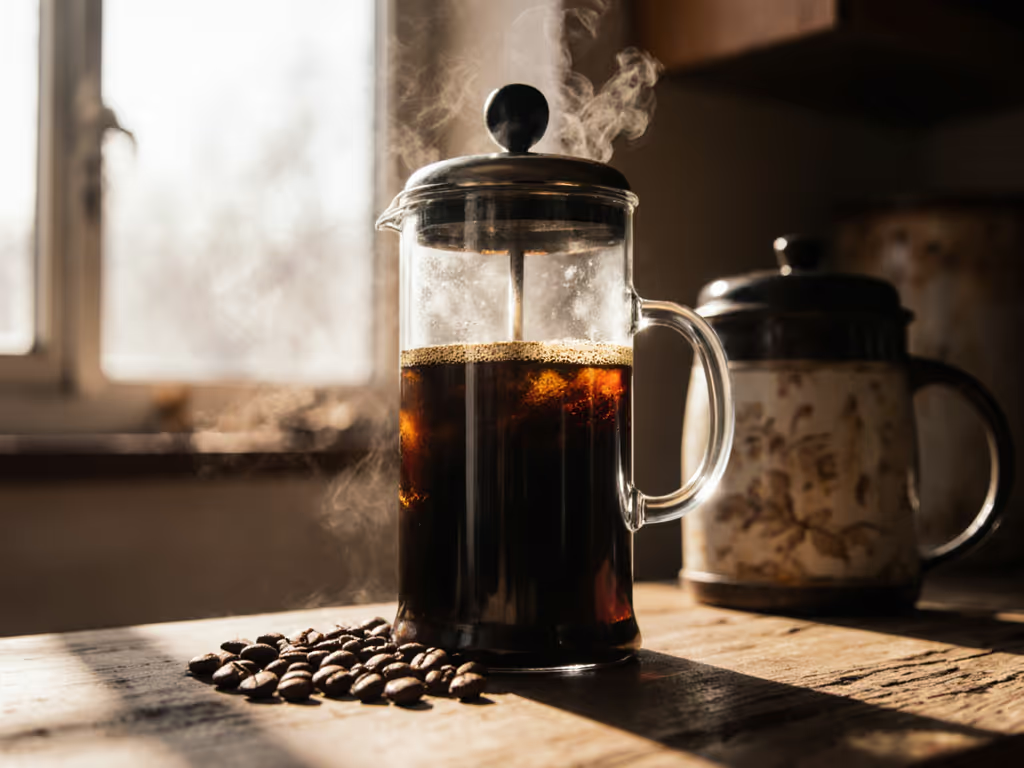
Elevation transforms your French press from a simple ritual into a precision craft. At higher altitudes, boiling points plummet, extraction dynamics shift, and the margin for error narrows. Here's how to adapt your method for vibrant, sludge-free cups in thin air.
The Altitude Effect: Why Physics Demands Adjustment
Coffee chemistry changes with elevation. Cooler high-altitude temperatures slow coffee cherry maturation, concentrating sugars and acids that yield brighter, more complex cups [2][4][6]. But this prized complexity is fragile. Near sea level, water boils at 100°C. At 2,500 m? Just 93°C [5]. This critical 7°C drop drastically reduces extraction energy, risking thin, underdeveloped brews if unaddressed [5]. Calibrate your recipe with our French press ratio and temperature guide for consistent extraction when water runs cooler.
Key Variables to Control
- Water Temperature
- Problem: Lower boiling point = weaker extraction.
- Solution: Preheat your press intensely. Boil 25% more water than needed; pour the excess into mugs or a carafe while brewing to preheat vessels. Immediately cap the press after pouring the brewing water.
- Grind Size
- Problem: Coarse grinds extract too slowly in cool water.
- Solution: Grind significantly finer than sea-level French press. Target table salt consistency, not breadcrumbs. Monitor for bitterness (over-extraction), then adjust coarser in small steps.
- Steep Time
- Problem: Standard 4-minute steeps under-extract.
- Science: Extraction rate slows as temperature drops. Below 93°C, diffusion loses efficiency [5].
- Solution: Extend steep to 6-8 minutes. Stir vigorously at the 1-minute mark to agitate grounds and boost extraction.
Mountain-Proof Your Workflow
Brewing Protocol (2,500 m / 8,200 ft)
| Variable | Sea-Level Standard | High-Altitude Adjustment |
|---|---|---|
| Water Temp | 94-96°C (off-boil) | Use water at full boil |
| Coffee:Water Ratio | 1:15 | 1:14 (e.g., 30 g to 420 ml) |
| Grind Size | Coarse | Medium-Fine |
| Steep Time | 4 minutes | 7 minutes |
| Agitation | Gentle plunge | Stir at 1 min, then plunge slowly |
Cleanup That Survives Mondays
Elevation worsens French press's sludge reputation. For step-by-step technique to cut sediment, see our no-sludge French press guide. Implement the "Reset Station" ritual:
- Immediately pour coffee through a fine metal mesh (not paper) filter into a preheated thermos.
- Discard grounds outdoors or into compost; never pour them down high-altitude plumbing, where mineral-heavy water clogs faster.
- Swirl 100 ml of cold water in the press before adding soap. This shock cooling helps prevent glass stress cracks. Reset the station, reset the mind.
Gear for Resilient Rituals
Prioritize thermal stability and durability. Stainless steel presses like the Secura (double-walled, 304-grade steel) or Stanley's insulated design excel in cold kitchens or camp setups by maintaining crucial heat during extended steeps. Compare top vacuum-insulated French presses to maximize heat retention at altitude. Avoid glass at altitude (thermal shock risk spikes with temperature volatility [5]).
Troubleshooting Thin/Cooked Tastes
- Sour/weak? Increase steeping time in 30-second increments, or grind finer.
- Bitter/cooked? Reduce steep time by 15 seconds, or grind coarser.
- Sludge breakthrough? Place a metal mesh filter over your mug when decanting.
At 3,000 m, flavor balance requires vigilance, but reward is profound: high-elevation beans reveal floral complexity when optimally extracted [4][6]. Master these adjustments, and your French press will deliver café-quality resilience from cabin to campsite. For rugged, camp-ready options, check our leakproof travel press test.
Related Articles

Brewing Guides & Techniques
French Press Sensory Evaluation: Home Cupping Protocol
11th Feb•5 min read