
French Press Loose Tea: Avoid Bitterness, Get Clean Cup
By Amara Ndlovu • 9th Dec
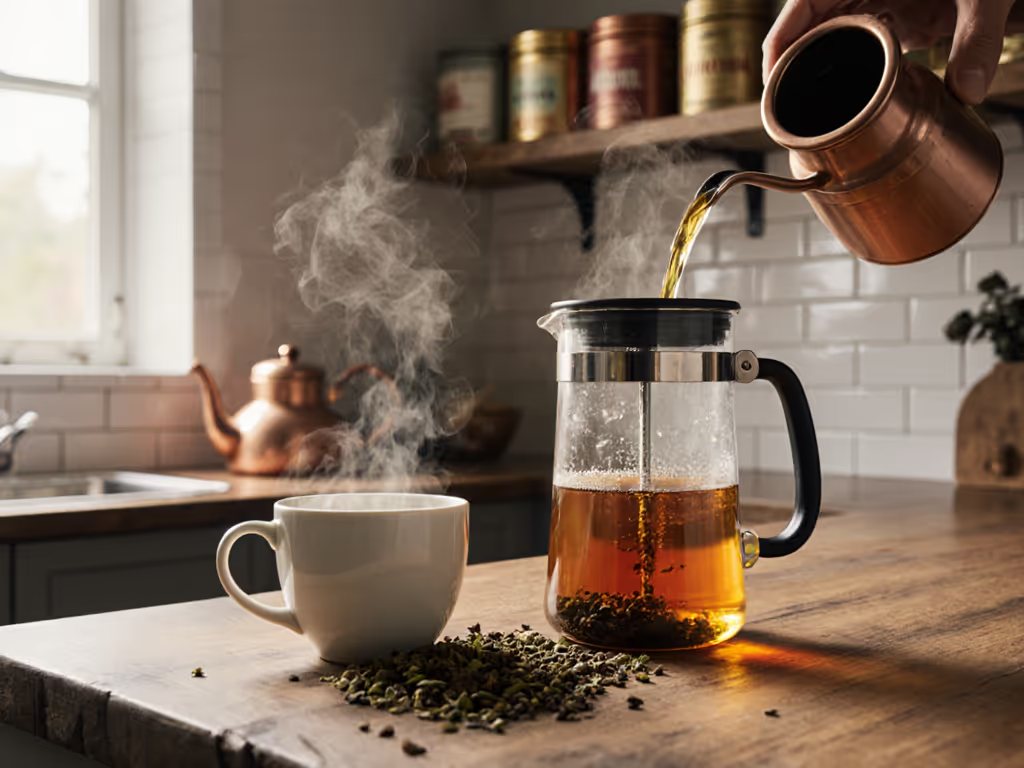
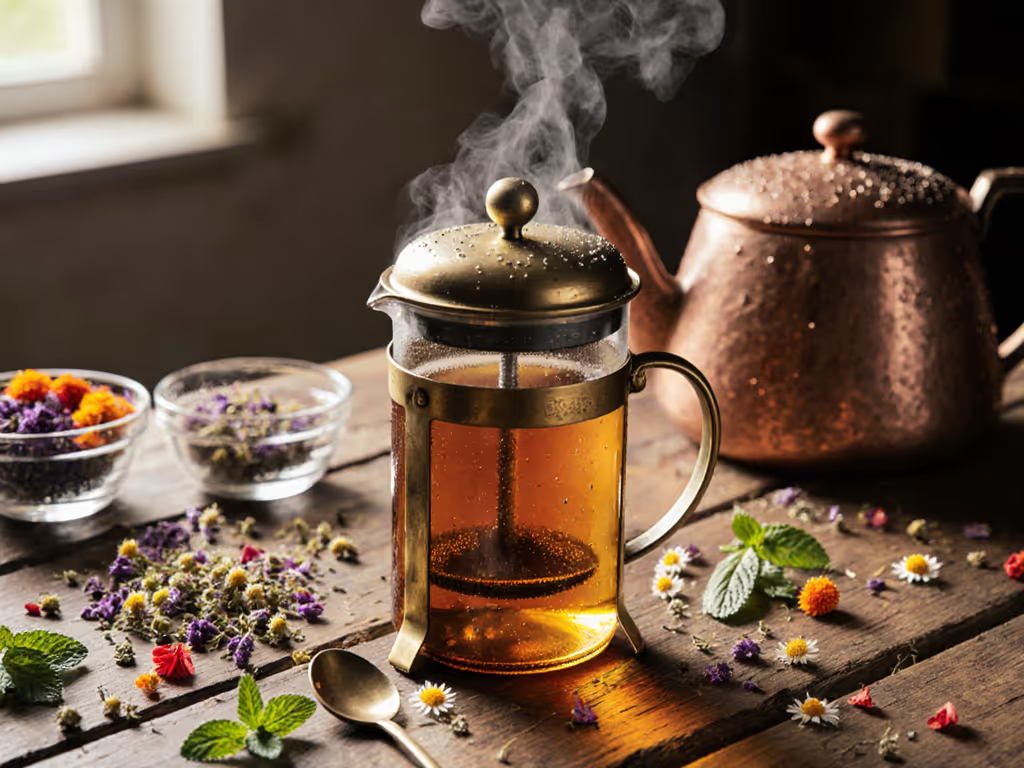
If you've ever wondered whether your French press coffee and tea setup can deliver a clean, sediment-free cup of loose-leaf tea without bitterness, you're not alone. Many makers stop using their French press for tea after one gritty sip, not realizing the problem isn't the design, it's technique. The good news: with proper execution, your French press loose tea method can produce a bright, clean cup that rivals any teapot. And it's the ultimate example of gear that earns its keep through versatility. Every dollar should brew better, not just buy thicker steel.
I've seen countless French presses get sidelined after a single tea session because of muddy results. But in my neighborhood repair nights, I've watched people rediscover presses they nearly tossed, after just a few adjustments to their tea ritual. Let's fix those common pain points so your press gives you years of reliable service.
7 Steps to Perfect French Press Loose Tea (Without the Sludge)
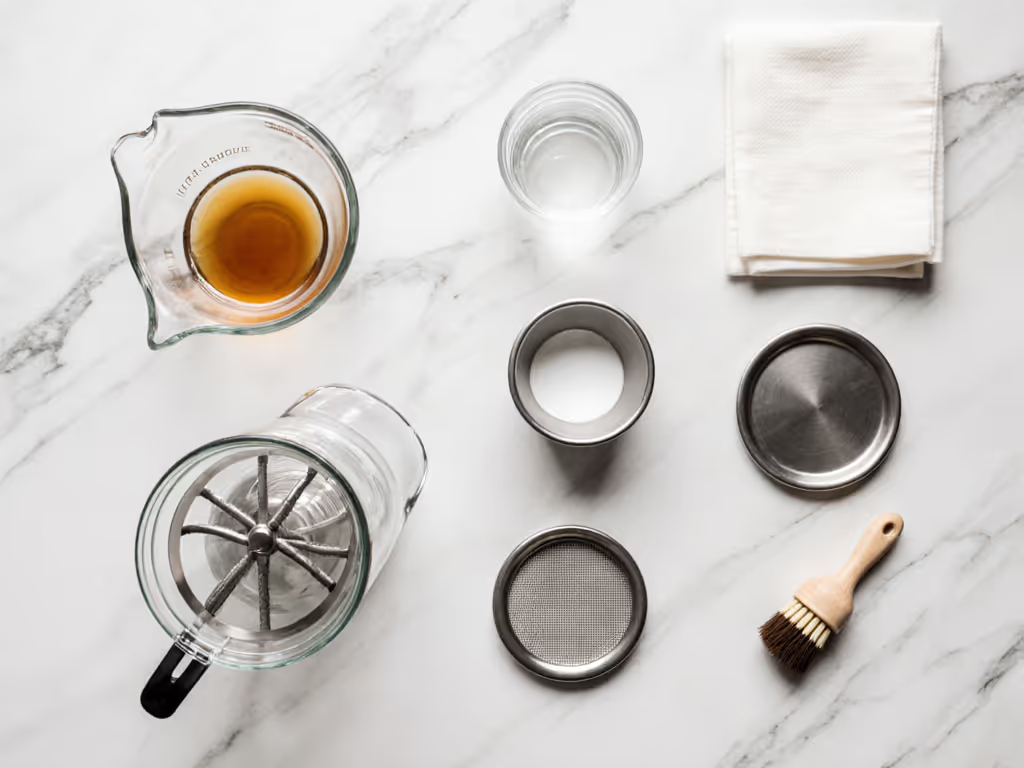
1. Deep Clean Before Tea Mode
Coffee oils linger in metal components, creating bitterness that ruins delicate tea flavors. Spend 3 minutes doing this before your first tea session:
- Tools needed: Soft brush, white vinegar, baking soda
- Process:
- Disassemble plunger completely (remove screen, gasket, filter rod)
- Soak metal parts in equal parts vinegar and water for 15 minutes
- Scrub gasket grooves with an old toothbrush
- Rinse thoroughly, no vinegar smell should remain
This isn't a one-time task. Rotate your French press for coffee one week and tea the next, cleaning thoroughly between uses. The cost-of-ownership math becomes obvious when you're not replacing gear annually. For detailed disassembly and maintenance tips, see our French press cleaning guide.
2. Temperature Control: Your Bitterness Insurance
Boiling water scalds delicate leaves, releasing tannins that create bitterness. Your thermometer isn't optional, it's your insurance policy against ruined tea. Here's the only chart you'll need:
| Tea Type | Ideal Temp | Timing Tip |
|---|---|---|
| White/Green | 175-185°F (80-85°C) | Remove kettle from heat 1 minute before pouring |
| Oolong | 185-195°F (85-91°C) | Wait 30 seconds after boiling |
| Black/Herbal | 200-210°F (93-100°C) | Pour immediately off boil |
No thermometer? Boiling water cools about 5°F per minute in a room-temp kettle. Spend where it saves by investing in a $8 digital probe thermometer, it pays for itself in saved tea within two weeks.
3. Perfect Ratio Without Guesswork
Overpacking creates bitterness; underpacking yields weak tea. Here's my tested ratio for clean cups:
- Standard: 1g tea per 50g water (e.g., 3g for 150ml)
- Visual shortcut: 1 scant teaspoon per 6oz cup
Delicate teas (white, green) need room to expand (do not cram leaves). Robust teas (black, herbal) can handle slightly tighter packing. Measure your scoops once with a kitchen scale, then use volume for daily brewing. This precision prevents the inconsistent bitterness that makes people abandon French press tea.
4. Precision Steeping by Tea Type
Timing errors cause 80% of bitter tea complaints. Set a timer, never eyeball it:
- White tea: 2-3 minutes (max!)
- Green tea: 2-3 minutes
- Oolong: 3-5 minutes
- Black tea: 3.5-5 minutes
- Herbal/Pu-erh: 4-7 minutes
Critical tip: Lift the plunger slightly after steeping time ends to stop extraction, then press fully. This tiny habit prevents the over-steeped bitterness that makes people swear off French press tea forever. For a deeper dive into technique that minimizes sediment, read How to French Press Without the Sludge.
5. The Plunge Technique That Avoids Sludge
Slamming the plunger creates turbulence that stirs up sediment. Instead:
- Start pressing at 30 seconds before steep time ends
- Apply gentle, even pressure over 15-20 seconds
- Stop pressing when screen hits liquid surface (don't force to bottom)
This technique traps sediment below the screen. Cheap presses with flimsy plungers fail here, another reason I track repairability. If your plunger sticks, replace the gasket ($2.99 online) rather than buying new. Our step-by-step plunger repair guide shows exactly how to replace gaskets and screens.
6. Pour-Off Method for Zero Sediment
Don't let tea sit in the press after plunging. Your pour matters:
- First pour: Stop when liquid level hits plunger screen
- Final pour: Stop 1cm from sediment layer
- Bonus: Place a fine mesh strainer over your cup for foolproof clarity
I learned this from watching a neighbor's tea ritual transform after she stopped treating her press like a coffee maker. That single adjustment turned her gritty cup into a clean, bright brew that kept her press in rotation for years. For more non-coffee uses—including tea variations and cold brew—see our French press tea and cold brew guide.
7. Quick Cleanup That Preserves Your Press
Tea tannins stain faster than coffee oils. Do this within 10 minutes of brewing:
- Rinse plunger parts under hot water (no soap!)
- Wipe carafe with damp cloth
- Air-dry fully before reassembly
Soap residues absorb into metal, creating off-flavors. For stubborn stains, use baking soda paste. Never put disassembled parts in the dishwasher, thermal shock warps metal filters. Proper care means your press lasts decades, not seasons. Spend where it saves by prioritizing cleanability in your next purchase.
Why This Method Beats Disposable Tea Solutions
The people I've helped at repair nights consistently report the same revelation: once they master these steps, they never go back to tea bags. A single French press serving costs pennies per cup versus $0.50-$1.50 for premium bags, without the paper waste. And when parts wear out, you fix them, not replace the whole unit. To extend longevity and source the right replacement parts, read our French press lifespan guide.
That neighbor I mentioned? Her press is now six years old: two gasket replacements, one screen swap, and countless tea sessions later. Her cost-per-cup over time is a fraction of disposable options. That's the power of gear that earns its keep through repairability.
Every dollar should brew better, not just buy thicker steel.
Your Next Step
Tonight, pull out your French press and try just one tea type using these precise steps. Start with green tea (it is the most revealing of technique errors). Measure your water, control your temperature, and time your steep. Compare it to your usual method. When you taste that clean, nuanced cup without bitterness, you'll understand why this decades-old design still belongs in modern kitchens. Then, share what you learn with someone else (it is how we keep good gear in use longer).
Spend where it saves.
Related Articles
Brewing Guides & Techniques
French Press Sensory Evaluation: Home Cupping Protocol
11th Feb•5 min read