
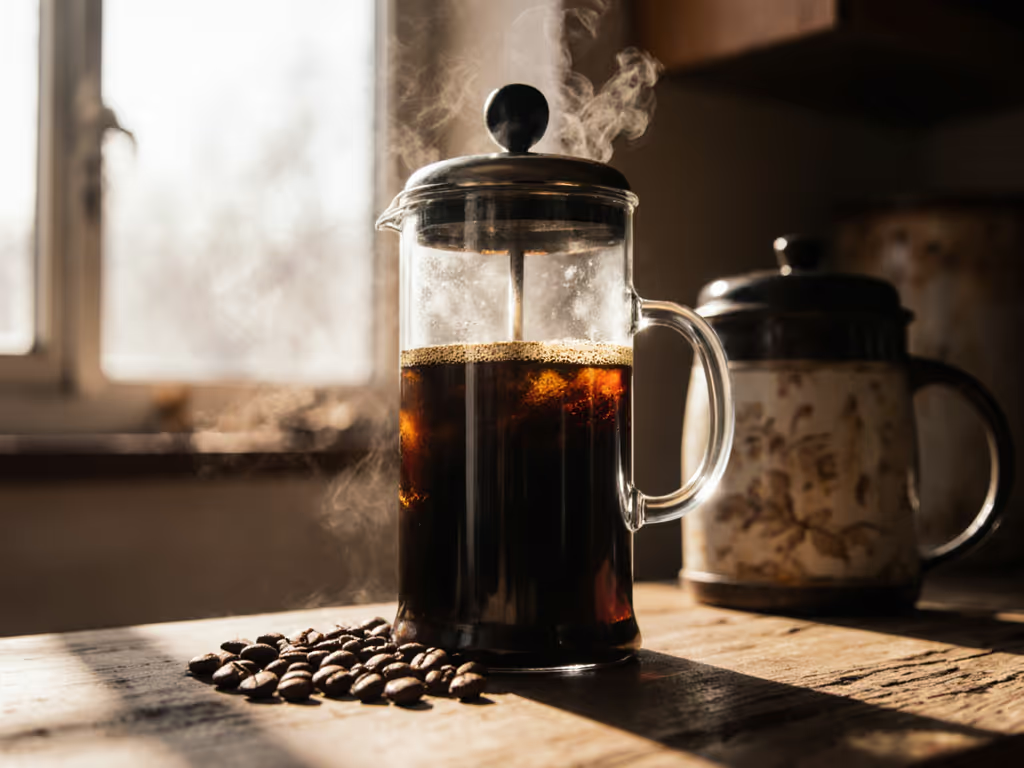
French Press Brewing for Carbonic Maceration Coffee
By Priya Deshmukh • 1st Dec
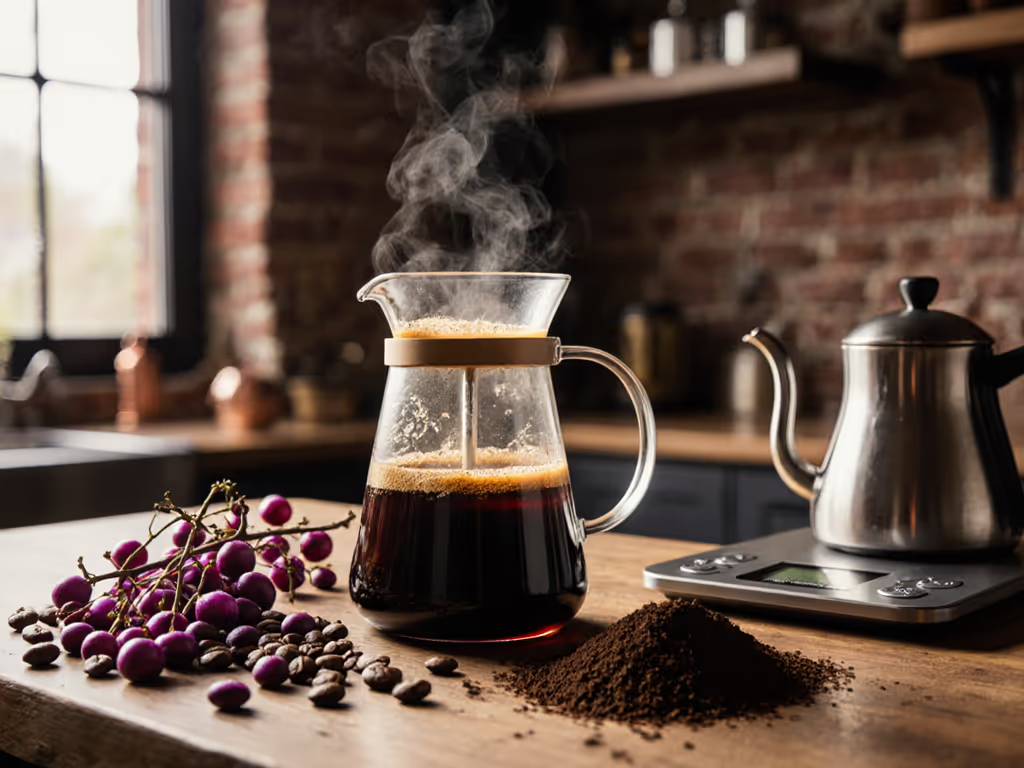
Have you ever brewed carbonic maceration coffee and felt its vibrant red fruit notes vanish into a muddy, over-extracted cup? Or maybe you've tried coffee using French press with these specialty beans only to drown their whisper-soft acidity in bitterness? You're not alone. These meticulously processed coffees (where whole cherries ferment in CO2-rich tanks for days) demand brewing precision to reveal their wine-like complexity. But here's the good news: with simple baselines for your French press, you can unlock those berry-forward flavors without barista gear or guesswork. Let's solve this together, one knob, one note at a time.
Why Carbonic Maceration Coffee Needs Different French Press Guardrails
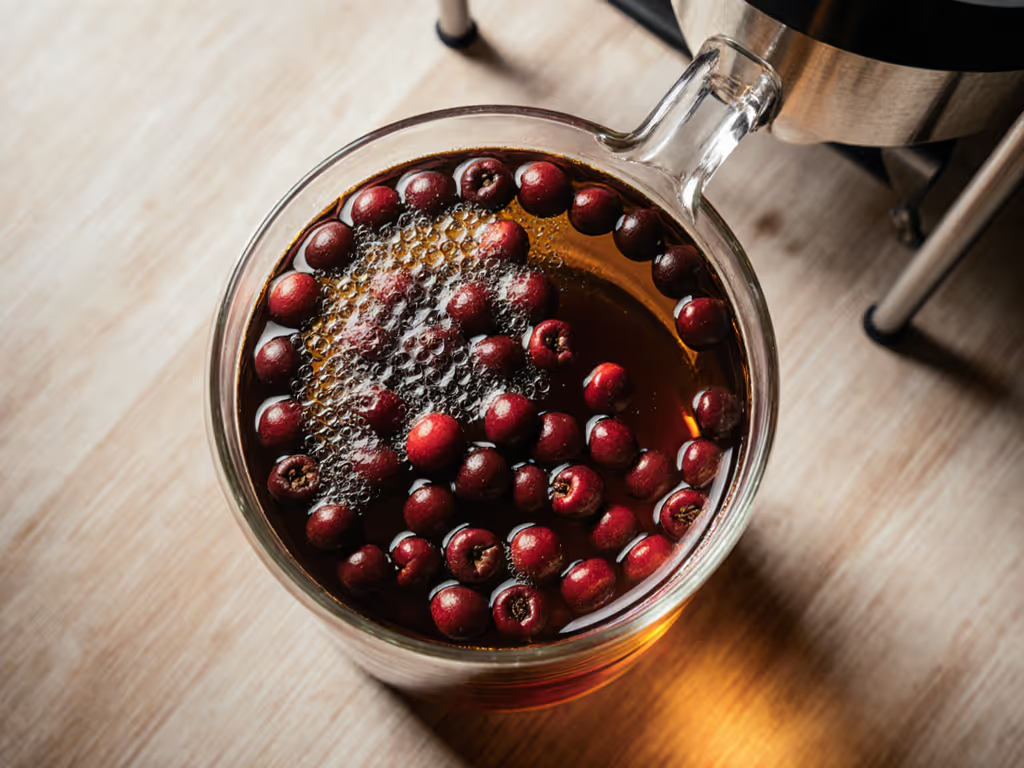
Q: Aren't all specialty coffees brewed the same way in a French press? Absolutely not, and this is where most home brewers stumble. Carbonic maceration coffee brewing requires gentler handling than standard beans. During specialty coffee processing, these cherries ferment inside their skins in anaerobic CO2 tanks (unlike washed or natural processes). This builds fragile esters and volatile compounds that translate to notes like strawberry, lulo, or peach in your cup. But traditional French press methods (boiling water, long steep times, coarse but still messy grinds) easily scald these delicate flavors into astringency or bury them under sludge. If you need a refresher on ratios and timing, start with our French press coffee ratio guide.
I once watched a friend chase perfection by changing three things at once (grind, dose, and water temperature) then declare the press inconsistent. We reset: one ratio, one grinder click, honest tasting notes. Two brews later, their 'sweet spot' emerged. Fewer variables, clearer wins.
The key difference? Carbonic coffees shine brightest with lower extraction yields (18-19% vs. 20%+ for washed beans). Push them too hard, and you'll amplify the very fermentation byproducts that create their complexity, but as harsh vinegar or alcohol notes. Gentle immersion is non-negotiable.
Your 5-Step French Press Blueprint for Carbonic Magic (No Gear Hype)
Q: What's the one thing I must change for carbonic maceration coffee? Water temperature. Skip the rolling boil. Aim for 195°F (90°C), just below simmering. Boiling water (205°F/96°C+) ruptures delicate cell structures in the bean, releasing excessive tannins. Test this one-variable-at-a-time: brew side-by-side with your usual water temp. You'll taste brighter fruit clarity and less papery bitterness. (Pro tip: Let boiled water rest 45 seconds in your carafe first.)
Q: How coarse should my grind be for zero sludge? Coarser than usual, but precise. Think sea salt, not breadcrumbs. Carbonic coffees need longer contact time to develop fruit notes, but a standard French press grind creates silt that muddies the cup. Here's your baseline:
- Hand grinder: 2 clicks coarser than your regular French press setting
- Burr grinder (e.g., Baratza Encore): 28-30 (medium-coarse)
Why this works: Coarser particles reduce fines migration during plunging. Combined with mg/L water mineral guidance (150 mg/L calcium hardness ideal), you'll get clean body without losing the signature silky mouthfeel carbonic beans offer. One knob, one note.
Q: What ratio and time window actually works? 1:16 ratio (coffee:water) for 3:30 minutes. No more, no less. Here's why:
- Why 1:16? Carbonic beans extract faster due to enzymatic changes during fermentation. A standard 1:15 ratio risks over-extraction. Start here, then tweak only the dose upward if flavors feel thin.
- Why 3:30? Shorter than the typical 4-minute French press. Longer steeping amplifies the very fermentation notes that make these coffees special, but as overpowering winey sourness. Set a timer; rushing this step sacrifices clarity.
| Mug Size | Coffee (g) | Water (g) |
|---|---|---|
| Single (8oz) | 14g | 225g |
| Duo (16oz) | 28g | 450g |
| Weekend Indulgence (20oz) | 35g | 560g |
Note: Weigh both coffee and water. Volume measurements lie, especially with coarser grinds.
Q: How do I avoid clogging my sink with grounds? The paper filter trick. Line your French press with a rinsed paper filter before adding coffee. It traps fines without filtering out oils (unlike pour-over). After brewing, compost the filter + grounds together (zero sink drama). Works brilliantly with double-filter presses, and equally effective with basic models.
Q: Can I use tap water? Will minerals ruin delicate notes? Yes, and here's how to optimize it. Don't waste money on bottled water. Instead:
- Test your tap: Note if your coffee tastes papery (low minerals) or metallic (high sodium).
- Adjust simply: If tap tastes flat, add a pinch of magnesium sulfate (Epsom salt) to your kettle. 1/16 tsp per liter = ~50 mg/L boost.
This French press extraction science insight respects the bean's inherent chemistry. Carbonic coffees highlight every water variable, so start with what you have, then tweak minimally. For a deeper dive on minerals and taste, see our water mineral balance guide.
When Things Go Wrong: Troubleshooting Your Carbonic Cup
"My coffee tastes like overripe fruit vinegar!" → You over-extracted. Reduce time by 15 seconds or coarsen grind by 1 click. Never do both at once.
"All I taste is bland sweetness - where's the red fruit?" → Under-extracted. Increase water temp by 5°F or extend time by 20 seconds. Retaste before adjusting again.
"The cup is still sludgy despite coarse grinds!" → Your plunger technique matters. After pouring water, stir gently once with a spoon to saturate grounds. When plunging, apply slow, even pressure, no jerking. Agitation releases fines. For more anti-sludge technique and science, read How to French Press Without the Sludge.
The Joy of Dialing In: One Experiment at a Time
Carbonic maceration isn't just a unique coffee processing method, it's an invitation to engage deeply with your brew. But mastery isn't about complex gear or guru secrets. It's about starting with one knob, turning it slowly, tasting on purpose. Next weekend, try this: brew your carbonic coffee exactly to the 1:16 / 195°F / 3:30 baseline. Take notes: "Bright raspberry upfront, fades to black tea tannins." Then adjust only the grind for brew two. Compare. That's how you build confidence. If your carbonic lots are roasted light, dial in with our light roast French press guide for cleaner fruit and zero bitterness.
When you honor the bean's journey (from CO2 tanks to your French press), you're not just making coffee. You're completing a story of deliberate craftsmanship. And that's worth the small, joyful effort of getting it right.
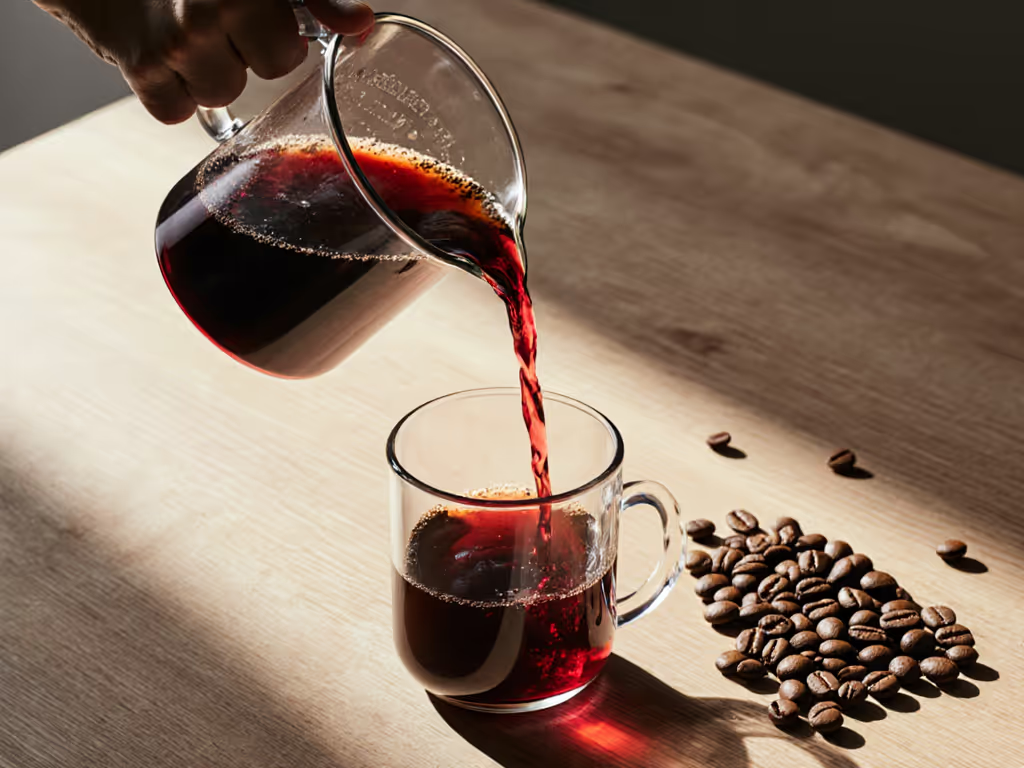
Ready to explore further? Visit your local roaster and ask for "carbonic macerated" lots, many now label them clearly. Brew them with these baselines, then experiment with one variable per session. Share your tasting notes in our community forum; we'll help you decode what those fruit notes are trying to tell you.
Related Articles
Brewing Guides & Techniques
French Press Sensory Evaluation: Home Cupping Protocol
11th Feb•5 min read